

Easy Math Puzzle Games for Kids That Make Learning Fun
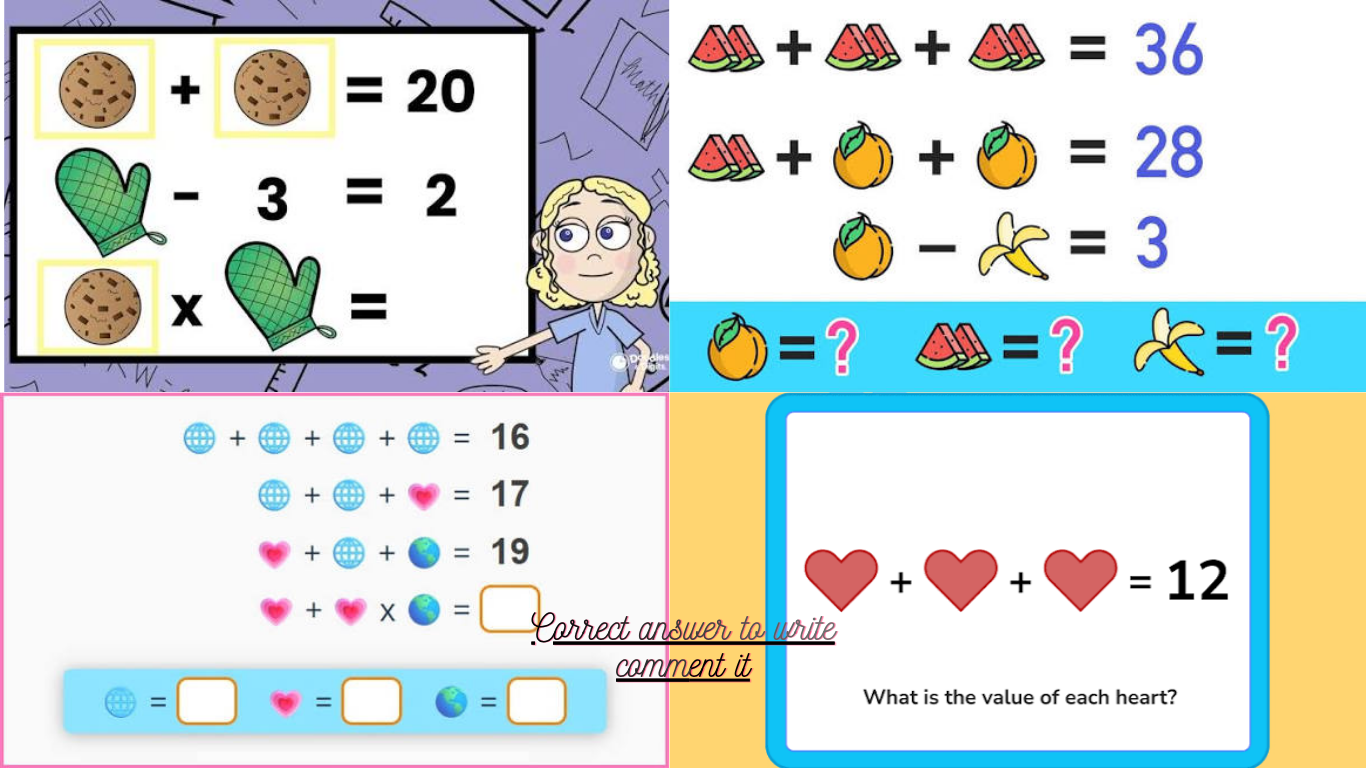
Ask a room full of kids whether they like maths, and you’ll often hear a groan. Ask the same kids whether they’d like to play a puzzle game, and suddenly the mood changes. The funny thing is that many puzzle games are secretly maths in disguise.
When a child figures out which two numbers add up to ten, or works out the next shape in a pattern, they’re doing real mathematical thinking. The difference is that it feels like play. No red pen, no pressure, just a challenge that’s fun to solve.
In this article, we’ll look at why maths puzzles work so well, and share twelve easy games you can try at home or in the classroom, with ideas for different ages.
Why Math Puzzle Games Work
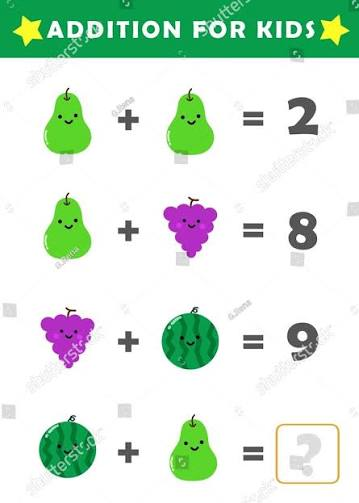
For many children, maths feels like a list of rules to memorise. Puzzle games flip that around. Instead of being told what to do, kids explore, test ideas and discover how numbers behave.
Here’s what makes puzzle games so helpful:
They lower the pressure. In a game, a wrong answer is just part of the process. Kids are far more willing to guess, check and try again.
They build number sense. Playing with numbers regularly helps children understand how they relate to each other, not just how to calculate with them.
They encourage thinking, not just memorising. Puzzles often have more than one way to reach the answer, which teaches kids to be flexible.
They make practice feel shorter. Ten minutes of a fun puzzle can give the same practice as a worksheet, without the boredom.
They build confidence. Every solved puzzle is a small win, and those wins slowly change how kids feel about maths.
Of course, games don’t replace good teaching, and some children will still need extra support. But as a supplement, they’re hard to beat.
12 Easy Math Puzzle Games for Kids
https://gameplaykids.com/?utm_source=tiktok
1. Number Bonds Matching
Number bonds are pairs of numbers that add up to a target, such as 3 and 7 making 10. Write numbers on small cards and ask your child to match pairs that make 10. Once they’re confident, move to 20 or 100.
This game builds mental addition and helps kids see how numbers fit together. It works well for ages 5 to 8, and you can make it competitive by timing each round or racing to find all the pairs first.
2. Sudoku with Numbers or Pictures
Kid-friendly sudoku uses a small grid, such as 4×4, where each row, column and box must contain each number once. Some versions use animals or colours instead, so kids don’t feel pressure about numbers at all.
It’s a lovely logic puzzle that quietly teaches counting, elimination and careful checking. Children around 6 and up can usually manage the small grids, and older kids can move on to bigger ones.
3. Magic Squares
A magic square is a grid where every row, column and diagonal adds up to the same number. A 3×3 version using the numbers 1 to 9 is a classic challenge. You can give your child a few numbers already filled in, and let them work out the rest.
This game is great for addition practice and trial and error. It’s best for ages 8 and up, and kids often love the “wow” moment when everything finally lines up.
4. Math Bingo
Make bingo cards filled with answers instead of numbers. Instead of calling “twelve,” you call out a question like “6 plus 6” or “3 times 4.” Kids check their cards and cover the correct answer.
Bingo is perfect for groups, such as family game night or a classroom. You can adjust the questions for any level, from simple counting to multiplication or fractions.
5. Dice Games
Dice are cheap and wonderfully flexible. Try these simple ideas:
- Roll and add: Each player rolls two dice and adds them. The highest total wins the round.
- Roll and multiply: Same idea, but multiply the numbers. It’s great for times tables.
- Race to 100: Players take turns rolling and adding to a running total. The first to reach exactly 100 wins.
Dice games make practice feel like chance and excitement, which kids love. They work for ages 5 and up.
6. Number Mazes
In a number maze, kids find a path from start to finish by following a rule, such as “only move on multiples of 3” or “add 2 each step.” You can draw these on paper in a few minutes, or find printable ones online.
They’re a nice mix of puzzle and maths practice, and they teach pattern recognition and skip counting. Ages 6 to 10 tend to enjoy them most.
7. Cross-Number Puzzles
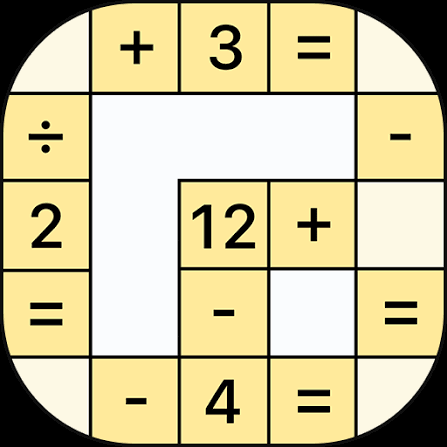
Like a crossword, but with numbers. Clues might be “7 plus 8” or “the number after 49,” and the answers fit into a grid. Where the answers cross, the digits must match, which gives kids a built-in way to check their work.
These are a great way to practise calculation with some detective work added. They suit ages 8 and up, and you can create simple ones yourself using graph paper.
8. Tangrams and Shape Puzzles
Maths isn’t only about numbers. Tangrams, pattern blocks and shape puzzles help kids understand geometry, symmetry and spatial reasoning. Ask your child to build a particular shape using a set number of pieces, or to find different ways to make a square.
These activities help children see maths in the real world. They’re good for ages 5 and up, with harder challenges for older kids.
9. “Guess My Number”
One player thinks of a number between 1 and 100. The others ask yes-or-no questions, like “Is it more than 50?” or “Is it an even number?” to find it.
It looks simple, but it teaches smart questioning and an understanding of number ranges. Kids quickly learn that cutting the range in half is a powerful strategy. It’s a good game for ages 6 and up, and it needs no equipment at all.
10. Math Card Games
A regular deck of cards is a treasure box for maths games. Try “War” with a twist: each player flips two cards and adds them, and the highest total wins. Or play “Make 10,” where players try to pair cards that add up to ten.
Card games are portable, cheap and easy to adapt. Remove the face cards for younger children, or use them as extra numbers for older ones.
11. Online Math Puzzle Games
There are many free websites and apps with maths puzzles, from number-matching games to logic challenges and speed rounds. They can be a useful option when you’re travelling or short on time.
Some tips for choosing: check that the difficulty suits your child, look for games with a clear learning purpose, and be aware that free versions often include ads. It’s a good idea to try the game yourself first, and to keep sessions to a sensible length.
12. Real-Life Math Puzzles
Some of the best maths puzzles happen in everyday life. Ask your child to work out how much change you’ll get at the shop, how many slices of pizza each person gets, or how long until dinner is ready.
These small puzzles show kids that maths isn’t just something in a textbook. It’s useful, and it helps them make sense of the world. You can start asking questions like this from the age of 5 or 6.
Choosing the Right Game by Age
Every child learns at their own pace, so treat these as loose suggestions.
Ages 4 to 6: Counting games, simple dice games, shape puzzles and basic number bonds up to 10.
Ages 7 to 9: Math bingo, number mazes, card games, simple sudoku and addition and subtraction challenges.
Ages 10 to 12: Magic squares, cross-number puzzles, multiplication and division games and harder logic puzzles.
Ages 13 and up: Larger sudoku grids, algebra puzzles, probability games with dice and cards and problem-solving challenges.
If a game feels too easy, make it a little harder. If your child is getting frustrated, take a step back and try an easier version. The goal is always “challenging but doable.”
Tips to Make Math Games Even More Fun
Keep it short. Ten to fifteen minutes is often plenty. It’s better to stop while your child still wants more.
Play together. Kids love it when parents join in, and they pick up a lot from watching how you think.
Celebrate effort. Say things like “I like how you tried a different way” instead of focusing only on the right answer.
Let them make their own puzzles. Creating a puzzle is often harder than solving one. Ask your child to design a number maze or a bingo card for you to solve.
Avoid turning it into a test. If a game starts to feel like an exam, kids will lose interest. Keep the mood light, and don’t be afraid to laugh at your own mistakes.
Use things they already love. If your child loves football, use scores and goals. If they love baking, use measuring cups and fractions. Connecting maths to their interests makes it feel more natural.
Common Mistakes to Avoid
A very common mistake is rushing to correct every wrong answer. Sometimes it’s better to ask, “How did you get that?” and let your child discover the error themselves. Another is comparing your child with others. Some children grasp numbers quickly, others need more time, and neither is better or worse.
It’s also easy to rely on timers and speed too much. Speed can build fluency, but too much pressure may make some kids anxious about maths. Mix fast games with slower, thinking-based puzzles so there’s a healthy balance.
Finally, if your child is struggling a lot or seems very worried about maths, talk to their teacher. Sometimes a little extra support early on makes a big difference.
Final Thoughts
Maths doesn’t have to be a subject kids dread. With the right puzzle, it can be something they look forward to, whether it’s a dice race at the kitchen table, a number maze on a rainy afternoon or a quick game of “Guess My Number” on the way to school.
Parents and teachers can explore additional educational resources to support children’s math learning. Visit Khan Academy Kids for fun learning activities and Math Learning Center for helpful math tools and resources. These resources can make learning numbers and solving math problems more enjoyable for children.https://www.mathlearningcenter.org/