A Complete Guide to Fun, Safe, and Smart Play
Introduction
Games are one of the first things children fall in love with. Long before they learn to read or write, kids play hide and seek, stack blocks, and invent make-believe worlds. Today, that same love of play has moved onto tablets, phones, computers, and consoles. Kids games have become a big part of modern childhood, and when chosen wisely, they can be both entertaining and genuinely useful.
At GameplayKids, we believe every child deserves games that are fun, safe, and suited to their age. In this article, we explore what kids games are, the different types available, the benefits they offer, and how parents can help children enjoy them in a healthy way.
What Are Kids Games?
Kids games are video games, mobile apps, and digital activities designed with young players in mind. They usually feature simple controls, bright visuals, friendly characters, and content that is appropriate for children. Some are made purely for entertainment, while others are built to teach skills such as counting, spelling, logic, or creativity.
A good kids game is easy to understand but still offers enough challenge to keep a child interested. It should not frustrate players with confusing menus, or pressure them into spending money. Most importantly, it should leave children feeling happy, proud, and curious to learn more.
Popular Types of Kids Games
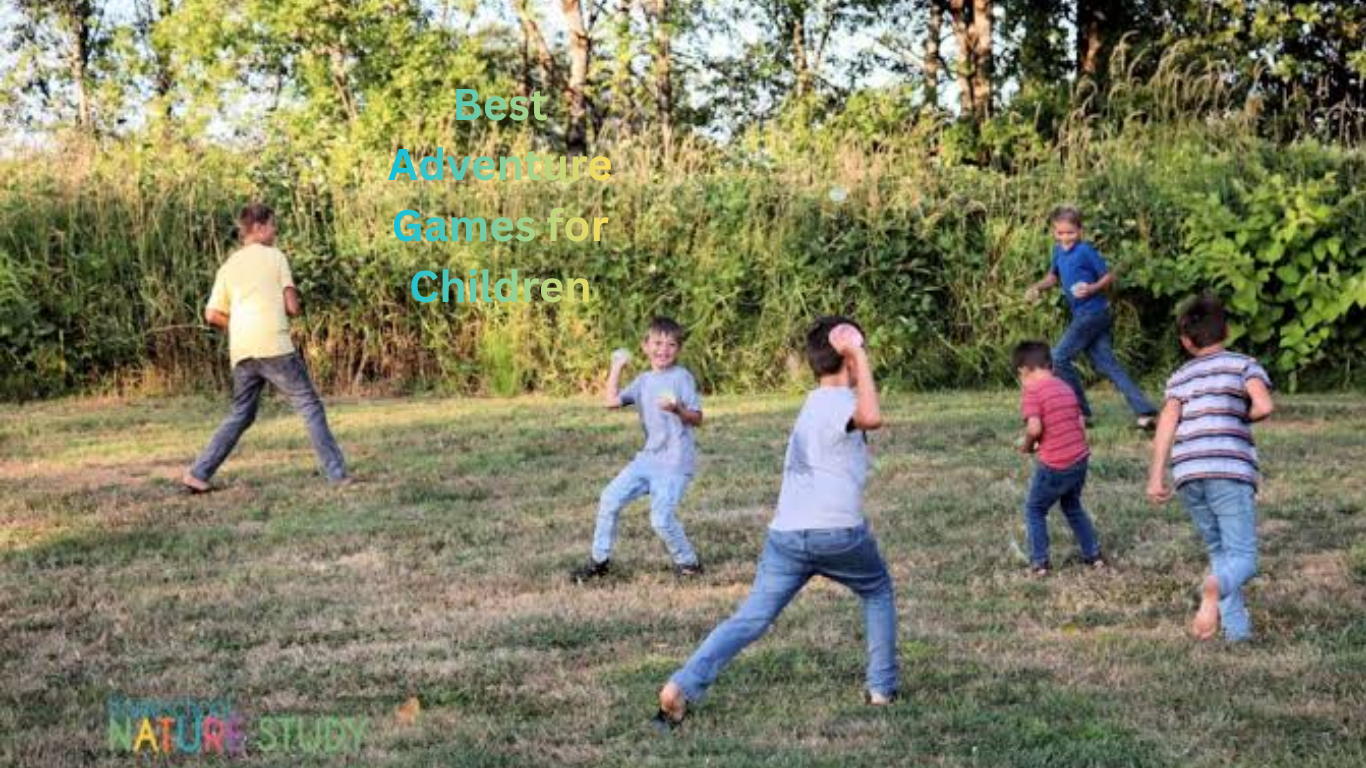
Adventure games. These games take children on a journey through colorful worlds. Players explore, collect items, meet characters, and solve small problems along the way. Adventure games encourage curiosity and storytelling.
Puzzle games. From matching shapes to solving simple riddles, puzzle games sharpen thinking skills. They teach patience and logical reasoning, and they give children a satisfying sense of achievement when they succeed.
Building and sandbox games. In these games, children use blocks, tools, or objects to build houses, cities, and entire worlds. They are excellent for creativity, planning, and imagination because there is often no single right way to play.
Racing and sports games. Fast, exciting, and easy to pick up, these games let kids enjoy the thrill of competition. Many can be played with friends or family, which makes them great for shared fun.
Educational games. These games blend learning with play. They may involve math challenges, word games, geography quizzes, or science experiments. Children often learn without even realizing it because the lessons are wrapped inside entertaining activities.
Pet and role-play games. Caring for a virtual pet, running a small shop, or cooking in a pretend kitchen helps children practice responsibility and imaginative play.
Benefits of Kids Games
When played in moderation, kids games can offer many advantages.
First, they support problem-solving skills. Many games present challenges that require children to think, try different approaches, and learn from mistakes. This builds resilience, because a failed attempt becomes a chance to try again.
Second, games can improve creativity. Building worlds, designing characters, and inventing stories give children a space to express their ideas freely.
Third, they develop focus and coordination. Games that require quick reactions or careful movements can improve hand-eye coordination, memory, and attention.
Fourth, multiplayer and cooperative games teach teamwork and communication. Children learn to share, take turns, and work together toward a common goal.
Finally, games provide relaxation and joy. After a busy day at school, a few minutes of fun can help a child unwind and recharge.
How to Choose the Right Game
With thousands of games available, choosing the right one can feel overwhelming. Here are a few simple tips for parents and guardians.
Check the age rating. Ratings give a quick idea of whether a game suits your child’s age. Remember that every child is different, so use the rating as a guide rather than a rule.
Read reviews and watch gameplay. Spending a few minutes reading a review or watching a short gameplay video can reveal a lot about a game’s content and difficulty.
Look for online features. Some games allow chat with other players. If your child is young, consider games with no chat or with strong safety settings.
Watch for in-app purchases. Many free games encourage spending. Talk to your child about rules, and use parental controls to block accidental purchases.
Try the game together. Playing side by side helps you understand what your child enjoys and opens the door to friendly conversation.
Healthy Gaming Habits
Even the best game should be balanced with other activities. Experts generally recommend that children enjoy a mix of play, study, outdoor time, reading, and rest. Here are a few habits that help.
Set clear time limits together with your child, and agree on them before the game begins. Encourage short breaks to stretch, drink water, and rest the eyes. Keep gaming areas well lit and comfortable. Avoid games close to bedtime so that sleep is not affected. Most importantly, encourage children to talk openly if something in a game makes them uncomfortable.
Safety Tips for Young Players
Children should never share personal details such as their full name, address, school, or passwords with strangers online. They should be taught to be kind to other players, to avoid clicking unknown links, and to tell a trusted adult if anything feels wrong. Parental controls on consoles, phones, and tablets can help manage screen time, filter content, and restrict spending.
Conclusion
Kids games are much more than simple pastimes. When chosen carefully, they can spark imagination, build useful skills, and bring families closer together. The key is balance, awareness, and open communication between children and parents.
At GameplayKids, we will keep sharing reviews, guides, and recommendations to help you find the best games for your young players. Whether your child loves puzzles, adventures, or creative building, there is a perfect game waiting to be discovered. Let the fun begin.