


Best Free Brain Games for Kids Online in 2026
Finding a good online game for your child can feel like walking through a minefield. Some are packed with ads, some quietly push you toward a subscription, and some are just plain boring. The good news is that there are still plenty of free games that are safe, fun and good for growing minds.
Here are ten that are worth your child’s time this year. I’ve also mentioned the small catches, so nothing surprises you later.
1. PBS Kids Games
A long-time favourite with parents of preschoolers and early primary kids. The games are built around familiar PBS characters and cover counting, patterns, memory and problem solving. It’s free to play, and the content is made by educators, which gives it a calm, trustworthy feel.
2. Khan Academy Kids
This is a free app rather than a website, and it’s one of the few that is genuinely free with no ads. It mixes short learning games, stories and activities for roughly ages 2 to 8. Good for kids who like to be guided step by step.
3. Coolmath Games
Despite the name, it’s more about logic than school maths. You’ll find puzzle, strategy and thinking games that suit older kids, about 8 and up. It’s free to play, but it does run ads, so it’s a good idea to sit nearby the first few times.
4. ABCya
A classic for kindergarten to grade 6, with games covering maths, reading, typing and more. Worth knowing before you start: a paid subscription unlocks the full library of games as well as an ad-free experience, so the free version is a little limited and includes ads. It’s still a solid place to try things out. learnopoly
5. Lichess (Free Chess)
Chess is one of the best brain workouts there is, and Lichess lets kids play it for free. Beginners can start with puzzles and lessons, then move on to real games. It’s best for ages 7 and up, and having a parent check the chat settings is a smart move.
6. Scratch
Not exactly a game, but a free tool where kids build their own games and animations by snapping colourful code blocks together. It teaches logic, planning and creativity all at once, and many kids end up playing for hours. Ages 8 and up usually enjoy it the most.
7. Code.org Hour of Code Activities
These short, free coding puzzles are often themed around characters kids already love. Each one takes a few minutes, which makes them perfect for a quick brain break. They work well for ages 6 to 12.
8. National Geographic Kids Games
Quizzes, animal puzzles and picture challenges that quietly teach a lot about nature and the world. Great for curious kids who love animals, space or geography. Free and easy to browse on a tablet or laptop.
9. Online Jigsaw Puzzle Sites
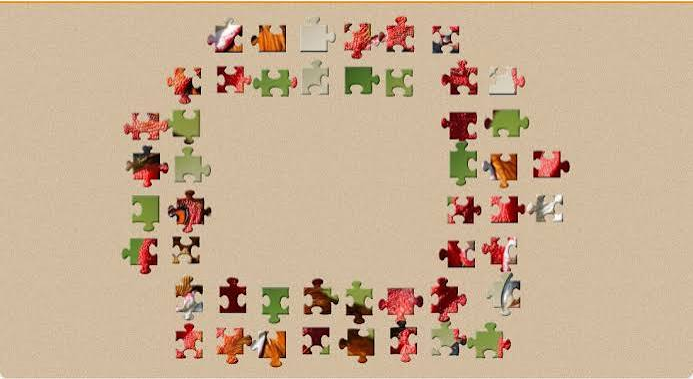
There are lots of free jigsaw sites where kids can pick a picture and choose how many pieces they want. It’s a calm, screen-friendly way to build focus and spatial thinking. Start small for younger children, and let older ones take on bigger puzzles.
10. Chrome Music Lab
A free collection of simple, playful experiments that let kids explore rhythm, sound and melody. It’s a lovely change from the usual puzzle games, and it builds listening skills and creative thinking. Ages 5 and up can enjoy it with very little help.
How to Pick the Right Game for Your Child
- Check the age fit. If a game is too easy, your child will lose interest. If it’s too hard, they’ll feel frustrated.
- Watch for ads. Free often means ad-supported. Young children can click on ads by mistake, so stay close or choose ad-free options.
- Look for games that make kids think. Puzzles, strategy and creative building usually beat endless tapping.
- Keep sessions short. Twenty to thirty minutes is plenty for most children, and a break makes the next round more fun.
A Quick Word About Screen Time
Even the best brain game shouldn’t take over your child’s day. Mix online play with real-world activities like board games, drawing and outdoor time. When they do play, sit with them once in a while. Kids often learn the most when a parent asks, “How did you figure that out?”
Final Thoughts
You don’t have to spend a cent to give your child quality brain training online. Pick two or three games from this list, try them for a week, and see which ones your child keeps coming back to. That’s usually the one doing the most good.